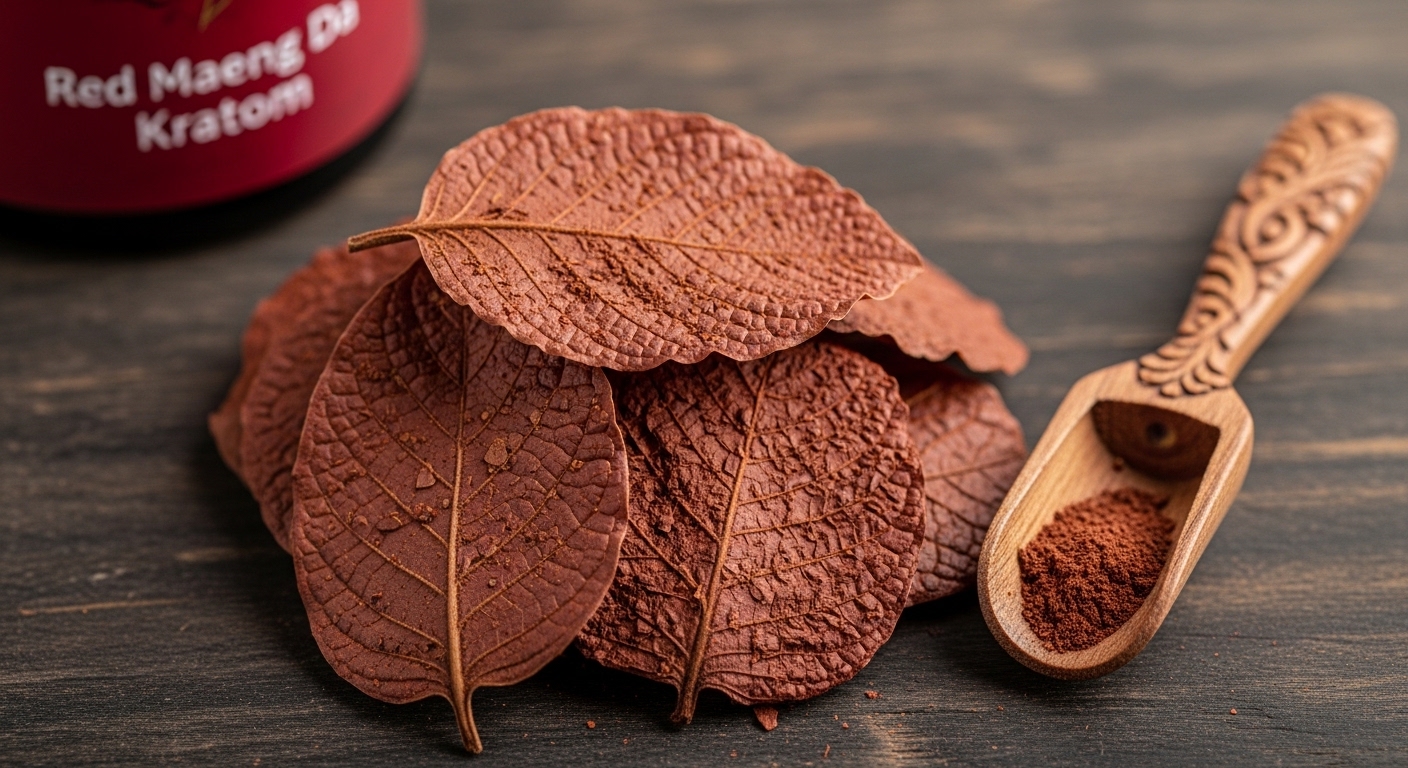

You know what’s frustrating?
Spending money on a kratom strain that doesn’t deliver what you expected.
Look, the kratom market is crowded. You walk into a shop or browse online, and you see dozens of strains with exotic names. Red Bali. Green Malay. White Borneo. And then there’s Red Maeng Da Kratom.
Everyone talks about it. Vendors hype it up. But here’s the question that matters: Is Red Maeng Da actually different from other strains, or is it just marketing?
Here’s the truth: Red Maeng Da Kratom does have distinct characteristics that set it apart. But understanding those differences requires looking at the actual alkaloid profiles, processing methods, and user experiences across different strains.
This isn’t about hype. It’s about data.
Let me break down exactly how Red Maeng Da compares with other popular kratom strains so you can make an informed decision.
What Makes Red Maeng Da Kratom Different
Red Maeng Da didn’t just appear out of nowhere.
The term “Maeng Da” translates roughly to “pimp grade” in Thai, suggesting premium quality. But what does that actually mean in practical terms?
Here’s the deal: Red Maeng Da is typically created through grafting techniques that combine different kratom tree genetics. This process aims to produce leaves with higher alkaloid concentrations than standard kratom varieties.
The key alkaloids you need to know about are:
- Mitragynine (the primary active compound)
- 7-hydroxymitragynine (more potent but present in smaller amounts)
- Speciogynine (contributes to muscle relaxation)
- Paynantheine (affects smooth muscle function)
Red Maeng Da generally contains higher levels of 7-hydroxymitragynine compared to standard red vein strains. That’s not marketing talk. That’s biochemistry.
And it matters because this alkaloid profile directly influences the effects you experience.
Red Maeng Da vs. Red Bali: The Intensity Factor
Let’s start with the most common comparison.
Red Bali is the “comfort food” of kratom strains. It’s mild, consistent, and widely available. Most beginners start here because it’s forgiving.
But Red Maeng Da? That’s a different animal.
Here’s how they stack up:
| Characteristic | Red Maeng Da | Red Bali |
|---|---|---|
| Potency | High | Moderate |
| Duration | 4-6 hours | 3-5 hours |
| Onset Speed | Fast (15-20 min) | Moderate (25-35 min) |
| Alkaloid Concentration | Higher | Standard |
| Price Point | Premium | Budget-friendly |
When considering the right Red Maeng Da dosage, potency plays an important role. This red vein kratom strain is often described as stronger than Red Bali kratom powder, meaning a smaller serving may produce comparable effects. Many users compare kratom strains, effects, strength, and dosage guidelines to find what works best for their needs.
If you’re using Red Bali at 4 grams, you might only need 2.5-3 grams of quality Red Maeng Da. That’s not a minor detail when you’re managing your usage and budget.
Red Maeng Da vs. Green Malay: The Energy Equation
Green Malay is popular for a reason. It sits in that sweet spot between stimulation and relaxation.
But here’s where Red Maeng Da diverges significantly.
Green Malay leans toward energy and focus. Users report feeling more alert, motivated, and mentally sharp. It’s the strain people reach for during work hours or when they need sustained concentration.
Red Maeng Da leans toward relaxation and comfort. While it can provide some energy at lower doses (a characteristic of most red veins), its primary profile is calming rather than stimulating.
Think of it this way: Green Malay is your morning coffee. Red Maeng Da is your evening wind-down.
The alkaloid balance explains this. Green strains retain more mitragynine in its unoxidized form, which tends to be more energizing. Red strains have undergone more fermentation and drying, converting more mitragynine to oxidized forms that produce calming effects.
Red Maeng Da vs. White Borneo: Opposite Ends of the Spectrum
This comparison is straightforward.
White vein kratom strains like White Borneo are the most stimulating varieties available. They’re chosen specifically for energy, alertness, and mood elevation.
Red Maeng Da sits at the opposite end.
If you’re looking for:
- Morning energy → Choose White Borneo
- Evening relaxation → Choose Red Maeng Da
- Pain management → Red Maeng Da wins
- Productivity boost → White Borneo is your answer
Some users try to combine these strains to create a balanced blend. That can work, but it requires careful dosing and understanding of how the alkaloids interact.
Don’t try to make Red Maeng Da do what White Borneo does naturally. You’ll just end up disappointed and confused about why it “didn’t work.”
Red Maeng Da vs. Red Thai: The Subtle Distinctions
Now we’re getting into the nuanced territory.
Red Thai and Red Maeng Da are both red vein strains from Southeast Asia. They share many characteristics, which is why people often confuse them.
But there are differences that matter:
Red Thai tends to be smoother and more sedating, especially at higher doses. It’s the strain people choose when they want deep relaxation without much stimulation at any dose level.
Red Maeng Da maintains more balance. Even as a red vein, it can provide a slight energy boost at lower doses before transitioning to relaxation at higher amounts. This dose-dependent effect profile is one of Red Maeng Da’s defining characteristics.
The processing also differs. Traditional Red Thai undergoes longer fermentation, which increases the oxidation of alkaloids. Red Maeng Da’s grafted genetics and shorter fermentation preserve more of the original alkaloid complexity.
The Dosage Difference You Need to Understand
Here’s something most articles won’t tell you.
Red Maeng Da’s higher potency means your dosage sweet spot is different.
A typical progression might look like this:
For Red Bali or Red Thai:
- Low dose: 2-3 grams
- Moderate dose: 3-5 grams
- High dose: 5-8 grams
For Red Maeng Da:
- Low dose: 1.5-2.5 grams
- Moderate dose: 2.5-4 grams
- High dose: 4-6 grams
Why does this matter?
Because if you’re switching from another red strain to Red Maeng Da and you take your usual dose, you might experience effects that are stronger than expected. That’s not dangerous, but it’s uncomfortable and wasteful.
Start lower than you think you need. You can always take more after 45 minutes if needed. You can’t take less once you’ve already consumed it.
Quality Variations That Affect Comparisons
Look, I need to be honest about something.
Not all Red Maeng Da is created equal.
The name alone doesn’t guarantee quality. Some vendors slap “Maeng Da” on mediocre product because they know it commands higher prices.
Here’s what actually determines quality:
- Source region (specific farms in Indonesia vs. generic supply)
- Harvest timing (mature leaves vs. premature picking)
- Drying method (controlled indoor vs. rushed outdoor)
- Storage conditions (climate-controlled vs. warehouse)
- Testing protocols (third-party lab verification vs. none)
A low-quality Red Maeng Da might actually be weaker than a high-quality Red Bali. The strain name matters less than the sourcing and processing standards.
This is why comparing strains requires comparing products from reputable vendors who provide consistent quality. Otherwise, you’re comparing apples to oranges.
Conclusion: Making the Right Choice for Your Needs
Stop buying kratom based on hype.
The truth is that Red Maeng Da Kratom does offer distinct advantages over other strains, particularly in potency, duration, and alkaloid complexity. But those advantages only matter if they align with what you actually need.
If you’re currently using another red strain and it’s working well, there’s no urgent reason to switch. But if you’re finding that you need increasingly larger doses, or that effects don’t last as long as you’d like, Red Maeng Da might solve those problems.