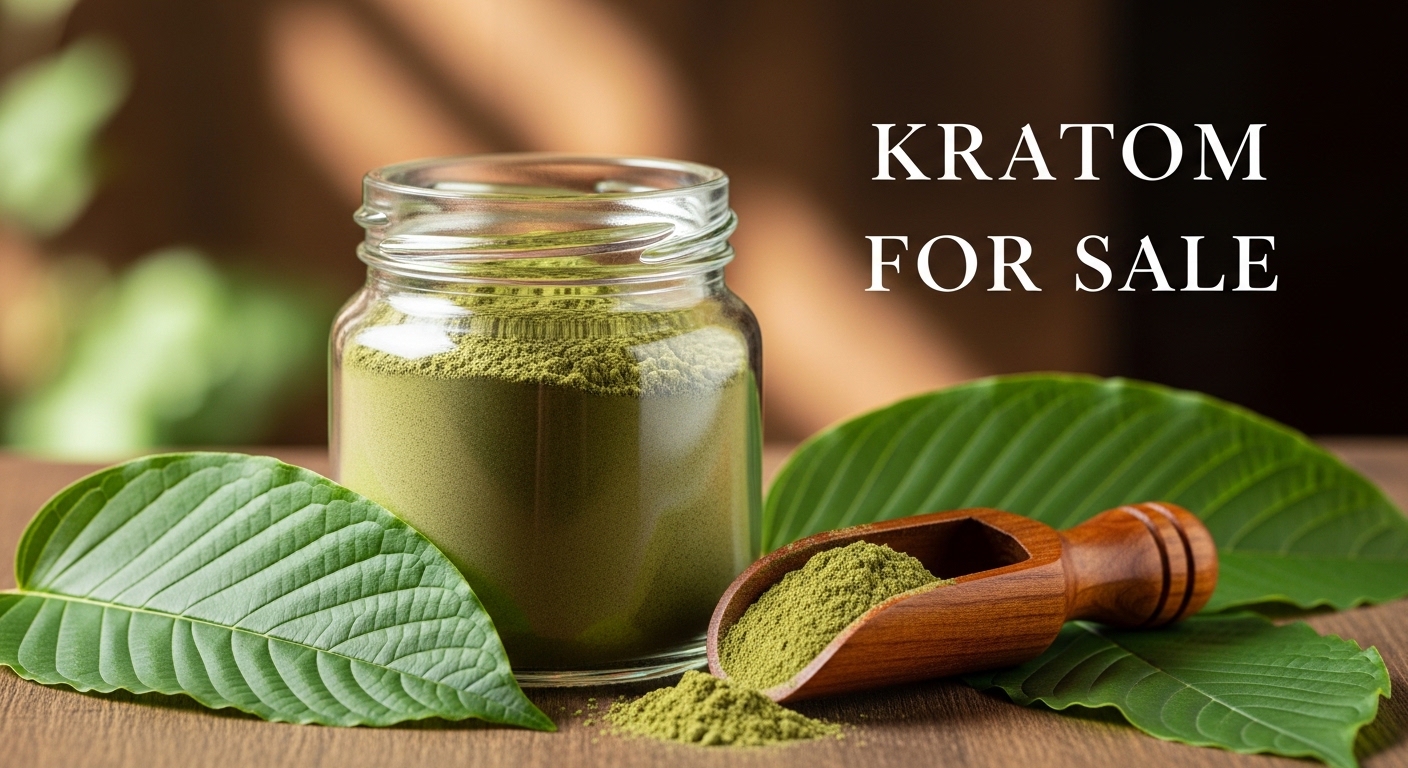

Buying kratom online and having absolutely no idea what you’re actually putting in your body.
Look, the kratom market is booming right now. But here’s the uncomfortable truth: not every vendor cares about your safety. Some are cutting corners. Others are selling contaminated products. And a few? They’re flat-out lying about what’s in their packages.
I’ve seen it happen too many times. Someone orders from a sketchy website because the price looks good, and then they end up with product that’s either weak, contaminated, or worse.
But it doesn’t have to be this way.
The best kratom sellers aren’t hiding behind vague marketing claims. They’re putting their money where their mouth is with third-party lab testing, transparent sourcing, and real customer support.
So how do you separate the trustworthy sellers from the fly-by-night operations? It’s actually simpler than you think. You just need to know what to look for.
- The non-negotiable quality markers that separate legitimate kratom vendors from dangerous ones
- Why third-party lab testing is the only verification method that actually matters
- How to spot red flags in vendor claims before you waste your money
- The specific certifications and testing protocols that protect your health
- Real criteria for evaluating vendor transparency and customer support
Why Most Kratom Vendors Can’t Be Trusted
Here’s the deal: the kratom industry is largely unregulated.
That means anyone with a website and a supplier can start selling kratom tomorrow. No quality checks. No safety standards. No accountability.
And that’s exactly what’s happening.
The FDA doesn’t regulate kratom as a supplement or food product. There’s no federal oversight ensuring purity, potency, or safety. This creates a Wild West situation where vendors can make almost any claim they want.
But wait, it gets worse.
A 2019 study found that nearly 25% of kratom products tested positive for heavy metals like lead and nickel. Another analysis discovered salmonella contamination in multiple commercial kratom products.
Think about that for a second.
One in four products could contain dangerous contaminants. And you’d never know it just by looking at the packaging.
This is why choosing the right vendor isn’t just about getting good value. It’s about protecting your health.
The One Thing That Separates Best Kratom Vendors From Everyone Else
Third-party lab testing.
That’s it. That’s the line in the sand.
If a vendor isn’t providing independent, third-party lab results for every single batch they sell, walk away. I don’t care how good their marketing looks or how many five-star reviews they claim to have.
Here’s why this matters so much:
When a vendor tests their own products in-house, there’s a conflict of interest. They have every incentive to make the results look good. But when an independent laboratory tests the product, they have no skin in the game. They’re just reporting the facts.
The best kratom vendors understand this. They pay extra money to have accredited laboratories test their products because they know it’s the only way to prove quality.
What Should Lab Tests Actually Show?
Not all lab tests are created equal. You need to see specific information:
- Alkaloid content: Mitragynine and 7-hydroxymitragynine percentages
- Heavy metals screening: Lead, mercury, arsenic, cadmium
- Microbial contamination: Salmonella, E. coli, mold, yeast
- Pesticide residues: Agricultural chemicals that shouldn’t be present
- Batch numbers: Matching the product you’re actually buying
If a vendor shows you a lab test from six months ago with no batch number, that’s not transparency. That’s theater.
You need to see current results that match the specific product sitting in your cart.
How to Identify Legitimate Best Kratom Vendors in 30 Seconds
Look, you don’t have time to do hours of research every time you need to order kratom.
I get it.
So here’s a quick checklist you can use right now to evaluate any vendor:
The 30-Second Vendor Verification:
- Can you find lab results on their website? Not buried in a FAQ. Prominently displayed on product pages.
- Are the lab results from an actual third-party lab? Look for names like Wonderland Labs, SC Labs, or other accredited facilities.
- Do they list batch numbers? And can you match them to your product?
- Is there a real address and phone number? Not just a contact form.
- Do they belong to the American Kratom Association (AKA)? This industry group requires GMP compliance.
If a vendor fails even one of these checks, that’s a red flag.
If they fail two or more? Run.
The best kratom vendors pass all five without breaking a sweat because they’ve built their entire business model around transparency.
The American Kratom Association GMP Standards Matter More Than You Think
Here’s something most people don’t know:
The American Kratom Association created Good Manufacturing Practice (GMP) standards specifically for kratom vendors. These aren’t suggestions. They’re detailed requirements covering everything from sourcing to packaging.
Vendors who earn AKA GMP certification have to:
- Implement strict quality control procedures
- Maintain detailed documentation of sourcing and processing
- Submit to regular third-party audits
- Test every batch for contaminants
- Follow proper labeling and packaging protocols
Think of it like this: GMP certification is proof that a vendor takes quality seriously enough to invest thousands of dollars and countless hours into compliance.
Is it perfect? No.
But it’s the closest thing the kratom industry has to a gold standard right now.
When you’re comparing vendors, GMP certification should be near the top of your priority list. It’s not just a badge. It’s a commitment to doing things the right way even when it’s expensive and difficult.
What Red Flags Look Like (And Why They Should Scare You)
You know what drives me crazy?
Vendors who make medical claims about kratom.
If you see a website saying kratom “cures” anything or “treats” specific conditions, that’s not just a red flag. That’s a violation of FDA regulations and a sign the vendor doesn’t care about compliance.
Other warning signs to watch for:
- Unrealistically low prices: Quality kratom costs money to source and test. If it’s half the price of everyone else, ask yourself why.
- No contact information: Legitimate businesses aren’t hiding.
- Stock photos everywhere: Real vendors show their actual products and facilities.
- Vague sourcing claims: “Imported from Southeast Asia” tells you nothing. Which farm? Which region? What harvesting practices?
- No return policy: Confident vendors stand behind their products.
- Pressure tactics: “Limited time offer” and countdown timers are sales gimmicks, not quality indicators.
The best kratom vendors don’t need these tricks. Their products speak for themselves.
The Customer Support Litmus Test
Here’s a test I use all the time:
Before making my first purchase from a new vendor, I send them a detailed question about their testing procedures or sourcing.
Then I wait.
If they respond within 24 hours with a thoughtful, detailed answer, that’s a good sign. If they copy-paste a generic response or ignore me completely, I know everything I need to know about their priorities.
The best kratom vendors invest in real customer support because they understand something crucial: informed customers are loyal customers.
They want you to ask questions. They want you to understand their processes. They want you to feel confident in your purchase.
Pricing Reality: What You Should Actually Expect to Pay
Let’s talk money.
Quality kratom isn’t the cheapest product on the market. And it shouldn’t be.
Think about what goes into producing tested, verified kratom:
- Sustainable sourcing from reputable farms
- Proper processing and handling
- Multiple rounds of laboratory testing
- GMP-compliant facilities
- Quality packaging
- Customer support infrastructure
All of this costs money.
When you see kratom selling for significantly less than the market average, someone is cutting corners. Maybe they’re skipping tests. Maybe they’re buying from questionable sources. Maybe they’re mixing in filler material.
Reasonable price ranges (as of current market conditions):
- Powder: $8-15 per ounce, depending on strain and quality
- Capsules: $12-20 per ounce (higher due to processing)
- Extracts: $15-30 per ounce (concentrated products)
These are ballpark figures. The best kratom vendors usually fall within or slightly above these ranges because they’re investing in quality at every step.
Is it worth paying a bit more for verified, tested products? Absolutely.
Your health isn’t the place to bargain hunt.
Strain Selection and Product Variety: What Matters and What Doesn’t
Here’s something that might surprise you:
The number of strains a vendor offers tells you almost nothing about their quality.
Some vendors list 50 different “strains” with exotic names and wild claims about unique effects. But here’s the truth: most kratom comes from the same species (Mitragyna speciosa), and the differences between strains are often more about marketing than meaningful variation.
What actually matters is:
- Vein color: Red, green, and white veins do have different alkaloid profiles
- Regional sourcing: Indonesian vs. Thai kratom can vary
- Harvest timing: Maturity affects alkaloid content
- Processing methods: Drying and fermentation create real differences
The best kratom vendors focus on these real variables instead of inventing dozens of strain names that don’t mean anything.
They’ll tell you exactly where their kratom comes from, how it was processed, and what the lab-tested alkaloid content actually is. That’s information you can use.
The Bottom Line on Vendor Selection
Look, choosing a kratom vendor doesn’t have to be complicated.
It just requires you to prioritize the right things.
Forget about flashy websites and marketing hype. Ignore vendors making medical claims or promising miracle results. Don’t fall for rock-bottom prices that seem too good to be true.